Why the Next Generation Is Choosing Dholera Smart City Over Overcrowded Metro Cities?

Key Highlights
The new generation of today is looking for things and services that speak speed, growth, and future first approaches. Young buyers don’t just check the location and pricing; they also focus on other factors, such as modern amenities, modular infrastructure, hyper-connectivity, automation, and more. Dholera Smart City is India’s first greenfield smart city with
- Fully tech enabled systems
- Modern infrastructure
- Underground utilities
- One stop ABCD Building for all legal permissions & documentation
- 6-lane roads, metro rails, and smart buses for intracity commute
- Dholera International Airport, Dholera Railway Station, Ahmedabad Dholera Expressway, and Bhavnagar Seaport for national and international connectivity
Every modern technique elevates the living experience one notch. Hence, young buyers are exploring Dholera Smart City as a serious option.
What Are The Challenges Of Living In Overcrowded Metro Cities?
India has multiple metro cities that are the heartbeat of the country.
But as much as there is opportunity in these cities, people usually have to trade off a lot of other things that affect their daily living, finances, and convenience.
1. Traffic & Long Travel Time
Hours lost in daily traffic reduce productivity and personal time. Overcrowded roads and limited public transport capacity make the commute stressful. Dholera is very well-connected internally via an intense public transport network. The metro, buses, and 6-lane internal roads connect all the major areas like the Dholera activation area, industrial zones, TATA semiconductor fab, Solar Park, Commerce zones, etc. in the city.
2. Increasing Cost of Living
High demand shoots up real estate prices, rentals, school fees, and everyday expenses. Housing, in particular, becomes disproportionately expensive - due to differences in demand & supply. If you invest in Dholera right now, you can get prime residential places at basic prices, as demand for Dholera is yet to take the jump. Dholera residential plot prices are expected to spike in the next 2-3 years, thus 2026 may be worth evaluating because several infrastructure and industrial projects are progressing.
3. Limited Living Space
Compact apartments, shrinking carpet areas, and vertical living are common. Privacy, open spaces, and community areas become limited luxuries. WestWyn Estates a residential plots project in Dholera at prime locations at Entry stage prices.
4. Market Saturation
Metro cities are generally mature markets, meaning investments are steady but see relatively moderate appreciation. Dholera is an emerging market; hence the growth potential is relatively high.
5. Strain on Infrastructure
Water problems, power fluctuations, utility lines in the air, overloaded drainage systems, and overcrowded and disproportionate public amenities are common occurrences in metro cities. Dholera’s utilities and amenities are well-planned, keeping in mind the city’s growing capacity for all the coming decades.
6. Reduced Quality of Life
Pack routines, lack of open spaces, and constant crowding lead to suffocation, impacting physical and mental health. Dholera has dedicated spacious green spaces, common amenities, recreational zones, and tech-enabled Dholera infrastructure projects for a peaceful and convenient living.
While metro cities are the economic epicentres, these challenges are pushing people to explore planned, infrastructure-led developments that aim to balance growth with livability.
What Are Some Common Myths About Moving Away from Metro Cities?
Today, overcrowding, rising costs, and daily stress push people to consider alternatives. But several misconceptions still hold them back from exploring emerging, planned regions like Dholera SIR.
Let’s look at these myths and separate them from reality:
Opportunities Exist Only in Metro Cities
Metro cities have traditionally been economic hubs. However, policy-driven industrial corridors like the Delhi Mumbai Industrial Corridor Dholera are decentralizing growth. Emerging regions are being designed to attract manufacturing, logistics, and future employment clusters.
Infrastructure Will Always Be Better in Established Cities
Metros have established systems, but they are overburdened. Planned cities are designed with future capacity in mind wider roads, underground utilities, and sector-based zoning to reduce strain.
Property in Smaller Cities Won’t Appreciate
Mature metro markets often offer steady but moderate appreciation. Emerging regions typically see growth that may be slower in the beginning, but gets faster as Dholera Smart City infrastructure and economic activity grow.
Social Life and Lifestyle Will Be Limited
Modern planned cities have dedicated community zones surrounded by residential, commercial, and recreational ones, ensuring community ecosystems evolve alongside economic growth.
It’s Too Risky to Move Early
Emerging cities require patience and due diligence. If you enter at an early stage, the Dholera investment is lower and expected returns are much higher compared to saturated metro markets.
Moving away from metro cities is not about losing out on opportunities, but exploring newer possibilities that provide more than just monetary returns. As India’s real estate landscape is evolving, the definition of where opportunity exists is steadily changing.
What Makes Dholera Smart City Different?
India’s first, Dholera greenfield smart city, is different from every city that India has ever seen before.
- Dholera Smart City master plan has underground utilities, meaning no wires or lines will be seen on the surface.
- The city has fully tech-enabled systems - IoT, city-wide wifi, smart security monitoring systems, intelligent traffic management, and automated public transport systems.
- Public amenities have been given precedence in the planning - parks, EWS housing, shaded walkways, cycle tracks.
- India’s first city has dedicated residential, commercial, and industrial zones from the very first day. With these sector-based planning and activation area Dholera, chaotic and unplanned growth is reduced.
Other metro cities evolved and adapted over time, but Dholera is being built with a clear vision and plan in mind. Its scale, planning discipline, tech-integration, and policy backing make it a future-ready urban ecosystem rather than a spillover of existing metro congestion.
In essence, Dholera represents a shift from reactive city-building to proactive urban design.
What Are The Key Reasons That The Next Generation Is Choosing Dholera?
1. Better Affordability Compared To Metros
Land rates in Dholera are much more affordable than simple flats in metro cities. The appreciation, too, is expected to be higher than that in metros.
2. Planned Infrastructure And Connectivity
Be it domestic or international, Dholera is intensely connected via road, water, rail, and air. The city’s planning has ensured minimum chaos and maximum systematic growth and movement.
3. Emerging Industrial and Employment Ecosystem
Dholera SIR is planned to be one of India’s biggest industrial and manufacturing hubs with more than ₹3 lakh crore already invested by various company giants.
4. Future-Ready Urban Lifestyle
Daily utilities and public amenities have been developed with a future-ready, convenience-first approach. All systems are tech-enabled - you can call Dholera paperless in that sense.
5. Investment Mindset Of Young Buyers
Young buyers are looking for investments that aren’t just affordable but also offer exponential development. High returns are guaranteed if invested early. Dholera aligns with this long-horizon, opportunity-driven investment perspective.
In essence, the next generation sees Dholera not just as an alternative to metro living but as a strategic move toward future-focused urban growth and long-term value creation.
What Are The Things To Be Considered Before Investing In Dholera SIR?
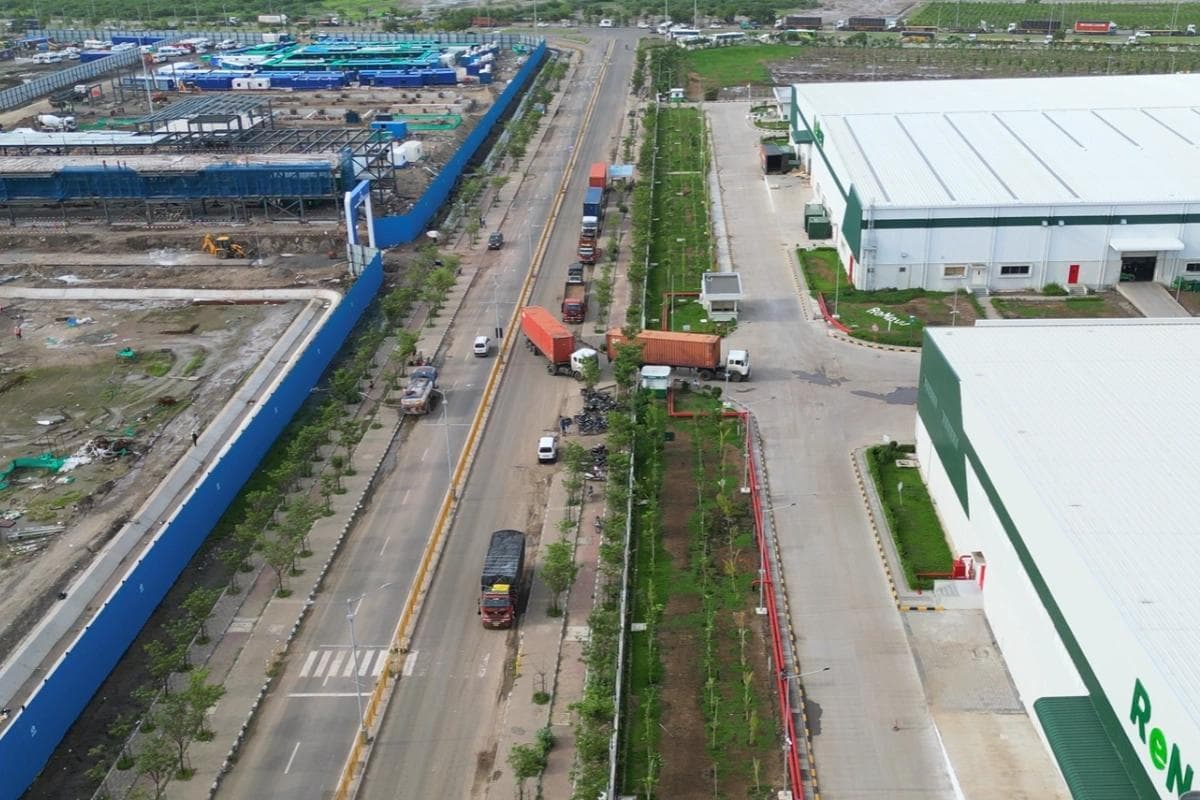
There are 4 things the new generation should check before investing in Dholera:
- Return On Dholera Investment
Calculating the returns and appreciation is the key to knowing if an investment is the right one for you or not.
- Convenience
The region’s accessibility, amenities, and plot resellability decide if the Dholera Smart City investment would provide convenience to the investor.
- Developer
Before deciding to invest in any project, check the developer’s credibility to avoid any issues later.
- Phase Of Development
It is important to understand for the new buyer that Dholera is a city being developed in phases. The buyer must know which phase of Dholera SIR development is ongoing during the investment. This will directly affect returns.
Final Thoughts: A Generational Shift in Real Estate Choices
Real estate preferences are evolving. For decades, owning an apartment in a crowded metro city symbolized stability and success. Today, a new generation of buyers is rethinking that formula.
Instead of saturated markets, younger investors are exploring emerging, tech-enabled, policy-backed locations like Dholera SIR. Also it is a strategic part of the Delhi-Mumbai Industrial Corridor. Dholera shifts the focus towards planned, infrastructure-led development.
This generational shift reflects a different mindset:
- Ownership over overcrowding
- Long-term capital growth over immediate rental yield
- Planned ecosystems over unstructured urban chaos
- Early investing over late-stage premium pricing
As India’s urban landscape expands beyond traditional metros, real estate decisions are becoming more strategic, patient, and forward-looking. In many ways, this marks not just a change in location preference but a broader transformation in how the next generation defines value in real estate.
FAQs
Q. Why is the next generation choosing Dholera Smart City over metro cities?
A. The next generation is choosing Dholera Smart City because it offers better affordability, planned infrastructure, and future-focused growth compared to crowded metro cities.
Q. Is Dholera Smart City more affordable than metro city property?
A. Yes, Dholera Smart City is seen as more affordable than metro city property, especially for buyers looking for land ownership and long-term value.
Q. Why are young buyers interested in Dholera plot investment?
A. Young buyers are interested in Dholera plot investment because they want early entry, better affordability, and long-term growth in a developing smart city.
Q. Is Dholera good for long term investment?
A. Yes, Dholera Smart City is backed by government and industry giants like TATA, Renew. Dholera ensures long term appreciation with ₹6 Lakh Crore+ investment and global connectivity.
Q. What should buyers check before investing in Dholera Smart City?
A. Buyers should check project location, legal documents, developer credibility, road connectivity, and overall future usability before investing in Dholera Smart City.


