Tata Semiconductor Dholera Timeline: Key Project Milestones

Key Highlights
The Tata Semiconductor Dholera timeline began with government approval in February 2024 and has since progressed through construction, fiscal support, SEZ notification and partnerships with global semiconductor companies.
The ₹91,000+ crore Tata Electronics fab at Dholera SIR is planned as a 300 mm semiconductor manufacturing facility with a capacity of approximately 50,000 wafer starts per month.
Here is the Tata Dholera semiconductor project timeline from approval to its latest development stage.
Tata Semiconductor Dholera Timeline at a Glance
- February 2024: Union Cabinet approves the Dholera semiconductor fab
- March 2024: Foundation stone laid
- September 2024: PSMC technology-transfer agreement completed
- March 2025: Fiscal Support Agreement signed
- April 2026: Tata Semiconductor SEZ notified
- May 2026: Tata Electronics partners with ASML
- September 2026: Semiconductor materials and supply-chain partnerships expand
- September 2026: Kelington joins fab operational readiness work
- Next milestones: Equipment commissioning, trial wafers and production ramp-up
February 2024: Tata Dholera Fab Approved
On February 29, 2024, the Union Cabinet approved Tata Electronics' semiconductor fabrication facility in Dholera, Gujarat.
The project was approved with an investment of approximately ₹91,000 crore and planned capacity of about 50,000 wafer starts per month.
Tata Electronics partnered with Taiwan based Powerchip Semiconductor Manufacturing Corporation (PSMC) for semiconductor manufacturing technology.
March 2024: Foundation Stone Laid
The foundation stone for the Dholera semiconductor fab was laid in March 2024, marking the transition from project approval toward physical development.
This became one of the first major construction milestones in the Tata semiconductor project timeline.
September 2024: PSMC Technology Agreement
Tata Electronics and PSMC completed their technology-transfer agreement in September 2024.
The partnership gives Tata access to semiconductor process technology and manufacturing expertise required for the Dholera fab.
March 2025: Fiscal Support Agreement Signed
On March 5, 2025, India Semiconductor Mission, Tata Electronics and Tata Semiconductor Manufacturing signed a Fiscal Support Agreement for the Dholera project.
Under India's semiconductor programme, the Government of India committed fiscal support covering 50% of eligible project costs.
The agreement marked an important financial and policy milestone for the Tata Dholera project.
April 2026: Tata Semiconductor SEZ Notified
In April 2026, the government notified a dedicated Special Economic Zone for Tata Semiconductor Manufacturing in Dholera.
The SEZ covers approximately 66.166 hectares and has an estimated employment potential of around 21,000 people.
The notification created a dedicated framework for semiconductor manufacturing, logistics and related operations around the fab.
May 2026: Tata Electronics Partners With ASML
On May 16, 2026, Tata Electronics announced a strategic partnership with ASML.
ASML will support the establishment and ramp-up of the Dholera fab through advanced lithography equipment and solutions, workforce training, supply-chain development and semiconductor R&D support.
This was an important milestone because lithography is a critical part of semiconductor manufacturing.
September 2026: Semiconductor Supply Chain Expands
September 2026 brought several new milestones in the Tata Semiconductor Dholera timeline. Tata Electronics partnered with Fujifilm to develop and supply advanced semiconductor materials for the Dholera fab.
It also signed an MoU with Sumitomo Chemical covering high-purity semiconductor materials and potential localisation in India.
Tata Electronics, Sojitz Corporation and NRS Corporation also announced plans to develop the supply and storage network required for critical semiconductor materials.
These developments show that the project is expanding beyond fab construction toward the wider materials and logistics ecosystem required for semiconductor production.
September 2026: Fab Operational Readiness Advances
On September 18, 2026, Tata Electronics announced a partnership with Kelington to support critical infrastructure and engineering systems at the Dholera fab.
According to Tata Electronics, the collaboration is intended to accelerate the facility's operational readiness for silicon wafer production.
The fab is therefore still under development and should not yet be considered commercially operational.
When Will Tata Semiconductor Dholera Start Production?
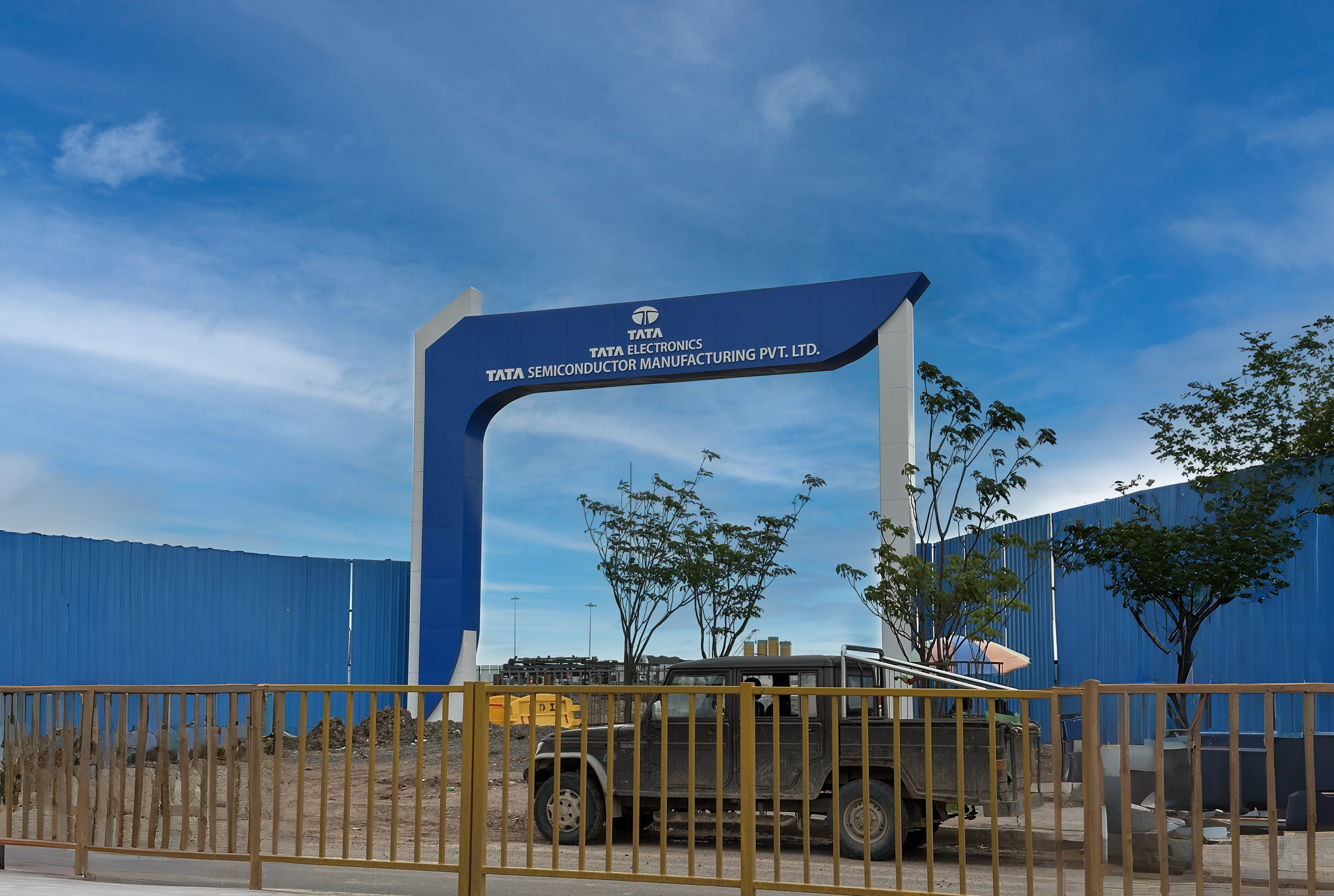
Commercial production has not yet been officially confirmed. Before production begins, the fab must move through equipment installation, clean room readiness, tool commissioning, process qualification, trial wafer production and production ramp up.
Specific production dates should therefore be treated as project targets until Tata Electronics formally confirms commercial wafer manufacturing.
What Are the Next Tata Dholera Milestones?
The next important milestones to watch are:
- Completion of major fab infrastructure
- Equipment installation and tool hook-up
- Clean-room and utility commissioning
- Trial wafer production
- Process qualification
- Yield improvement
- Commercial production ramp-up
- Expansion of suppliers around Dholera
Conclusion
The Tata Semiconductor Dholera project has progressed from government approval in 2024 to advanced construction, technology partnerships, fiscal support and supply chain development by 2026. With major infrastructure and operational readiness work still underway, the next key steps are equipment commissioning, trial wafer production and process qualification before commercial production can begin.
FAQs
Q. When was the Tata Dholera semiconductor project approved?
The Union Cabinet approved the project on February 29, 2024.
Q. Where is the Tata Semiconductor fab located?
The fab is being developed in Dholera Special Investment Region (SIR), Gujarat.
Q. Is the Tata semiconductor plant in Dholera operational?
No. As of September 2026, Tata Electronics fab is currently under development and progressing toward operational readiness. Reached roughly 50% completion mid-2026.
Q. What was the latest Tata Dholera milestone?
In September 2026, Tata announced new materials, supply-chain and engineering partnerships, including a Kelington collaboration focused on preparing the fab for silicon wafer production


