Dholera Connectivity: Road, Rail, Airport & Port Links

Key Highlights
Dholera SIR is connected through a multimodal network of road, rail, air, freight and port links. The Ahmedabad-Dholera Expressway is operational, the Ahmedabad-Dholera semi-high-speed railway has been approved, Dholera International Airport 80% of the airport's construction was reported complete in July 2026, with operationalisation targeted for September-October 2026. Planned rail and logistics links are also intended to connect Dholera with the wider Dedicated Freight Corridor network.
Key Dholera Connectivity Links in 2026
Dholera’s connectivity is expanding across road, rail, air, freight, and port networks, improving access to Ahmedabad, industrial hubs, logistics corridors, and Gujarat’s ports.
- Ahmedabad-Dholera Expressway
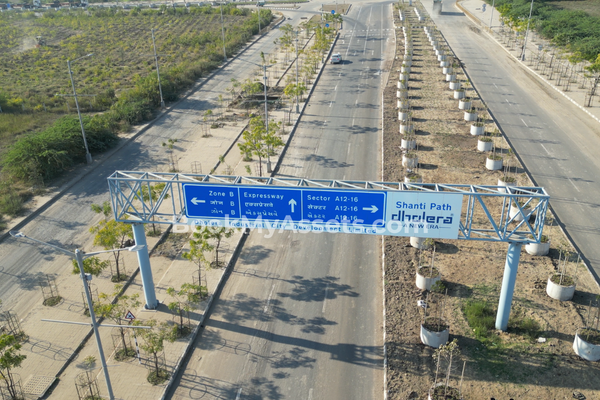
The Ahmedabad-Dholera Expressway is now the most important road connection between Ahmedabad and Dholera SIR. The access controlled greenfield expressway stretches for approximately 109 km and was inaugurated in March 2026. The new corridor has reduced the Ahmedabad-Dholera journey from around 2 hours 15 minutes to approximately 45 minutes.
- Dholera Railway Connectivity
Rail connectivity received a major boost in May 2026 when the Union Cabinet approved the Ahmedabad (Sarkhej)–Dholera Semi High-Speed Double Line. The new railway project will add approximately 134 km to the railway network at an estimated cost of ₹20,667 crore. It is planned to connect Ahmedabad with Dholera SIR, Dholera International Airport and Lothal, with completion targeted by 2030-31. This is now the most important future passenger rail project for Dholera connectivity and should take priority over older monorail proposals.
- Dholera Freight and Logistics Connectivity
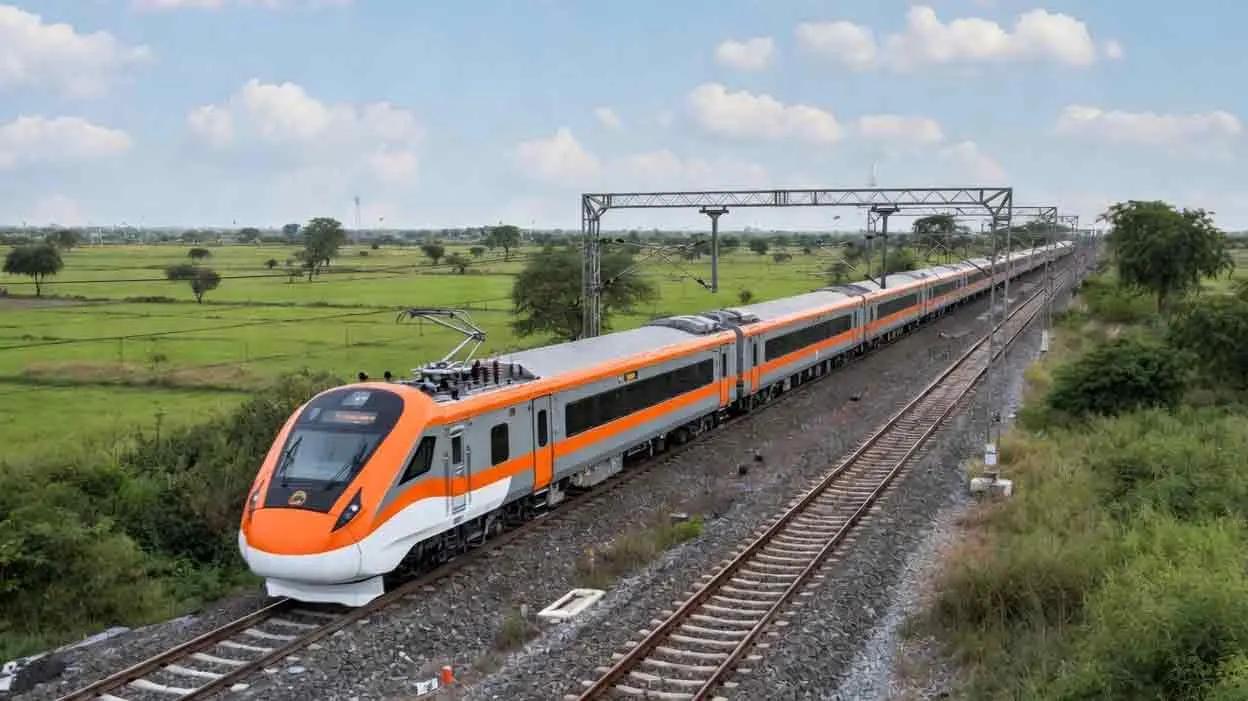
Industrial connectivity is also being strengthened through the Bhimnath Dholera Logistics Hub new railway line. The project at approximately 23 km, with an estimated cost of ₹446 crore. The link is intended to strengthen rail access to the Dholera industrial and logistics ecosystem. The approved Ahmedabad-Dholera railway is also planned to connect with the Dedicated Freight Corridor near Sanand, helping integrate Dholera with the wider national freight network. Dholera should therefore be described as connected to the DFC ecosystem through planned rail and logistics links, rather than being located directly on the main Western DFC alignment.
- Dholera International Airport Connectivity
Dholera International Airport is being developed in Navgam near Dholera SIR to support passenger movement, cargo and industrial growth.
During an official review on 14 July 2026, the Ministry of Civil Aviation said the Dholera airport as under construction and directed authorities to complete on-site work and obtain the necessary aviation licences. The Government was targeting operationalisation around September-October 2026.
- Dholera Port and Sea Connectivity
Dholera does not currently have a fully operational seaport within its boundaries. However, it has access to Bhavnagar Port, located approximately 75 km from Dholera SIR, providing an important maritime connection for industrial and freight movement.
Gujarat is one of India’s leading maritime states, with its ports handling a significant share of the country’s total sea cargo. Dholera’s strategic location, combined with improving road, rail, and Dedicated Freight Corridor (DFC) connectivity, is expected to strengthen access to Gujarat’s major ports and support industrial logistics and international trade.
How Connectivity is Driving Dholera SIR’s Growth?
Connectivity is important for Dholera SIR because it links the smart city with Ahmedabad, the airport, industrial areas, logistics networks, and major markets. Better connectivity can support industrial growth, movement of people and goods, business activity, and long-term development.
- Faster access: Road connectivity reduces travel time between Dholera and Ahmedabad.
- Supports industries: Manufacturing and semiconductor companies need reliable roads, railways, and logistics networks.
- Better logistics: Strong connectivity makes it easier to move raw materials and finished products.
- Improves accessibility: Better transport makes Dholera more accessible for employees, businesses, visitors, and residents.
- Supports the airport: Road and future rail links can improve access to Dholera International Airport.
- Boosts the investment ecosystem: Infrastructure and connectivity can make the region more attractive for businesses and investors.
- Connects Dholera to larger markets: Dholera's location within the Delhi-Mumbai Industrial Corridor makes connectivity important for regional and national trade.
FAQs
Q. How is Dholera connected to Ahmedabad?
Dholera is connected to Ahmedabad through the Ahmedabad-Dholera Expressway, which has reduced the reported journey time to around 45 minutes.
Q. Is the Ahmedabad-Dholera Expressway operational?
Yes. The approximately 109 km Ahmedabad-Dholera Expressway was inaugurated in March 2026.
Q. What is the latest Dholera railway project?
The Government approved the 134 km Ahmedabad (Sarkhej)-Dholera semi-high-speed double line in May 2026. It is planned to connect Ahmedabad, Dholera SIR, Dholera Airport and Lothal.
Q. Is Dholera connected to the Dedicated Freight Corridor?
Dholera is planned to connect with the wider Dedicated Freight Corridor network through railway and logistics links near the Ahmedabad-Sanand region rather than sitting directly on the main DFC alignment.
Q. Does Dholera have port connectivity?
Yes. Dholera can access Gujarat’s wider port and maritime network through regional road and developing rail logistics connections. It should not, however, be described as having a fully operational commercial seaport inside Dholera SIR.


